A few pictures from Witham town carnival 2025.




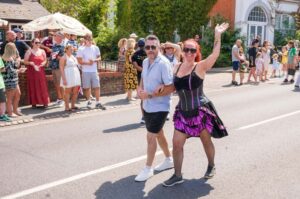
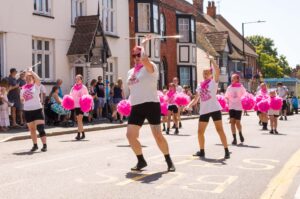
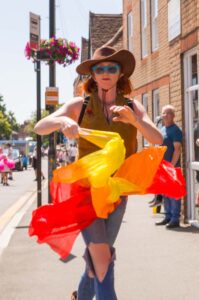


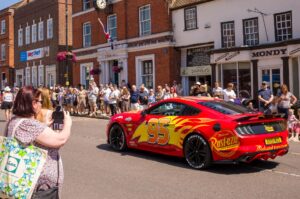
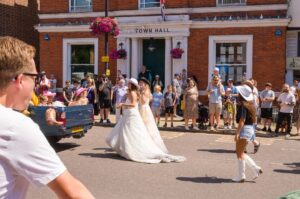
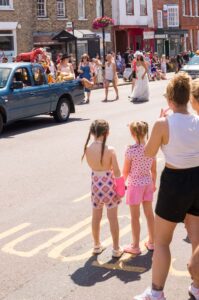

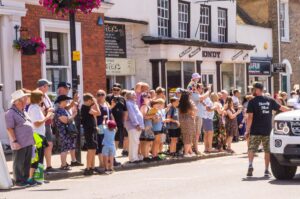
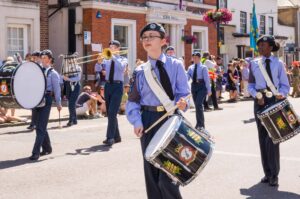
A few pictures from Witham town carnival 2025.
A few pictures from the 2025 Witham Music Festival on behalf of the local Council.


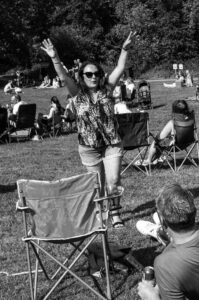


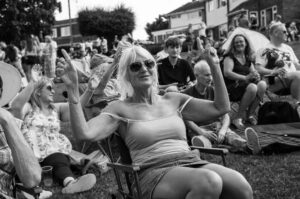









Great to be able to take some relaxed wedding pictures without the pressure of ‘must do’ pictures.

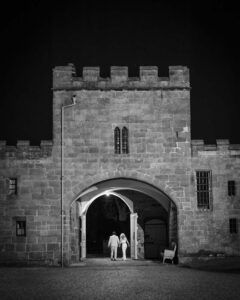
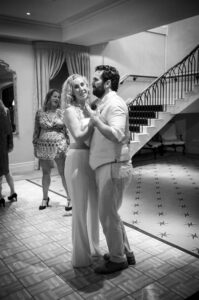


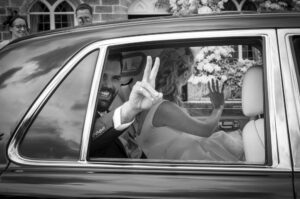
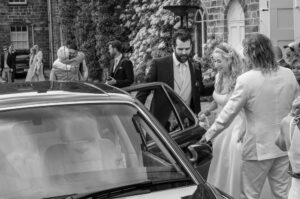
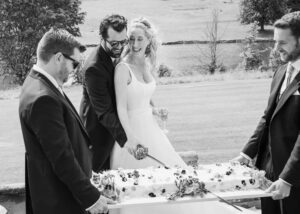
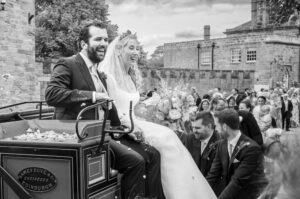
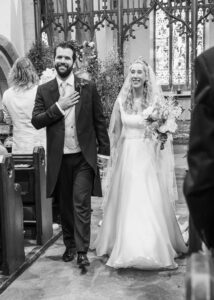
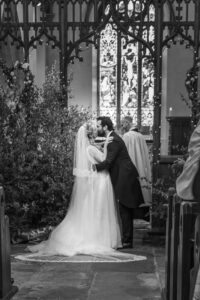
Leica M11-P with 35mm Summilux lens and Leica Q3
A few from the Witham Dog Show 2025 for Witham Town Council.









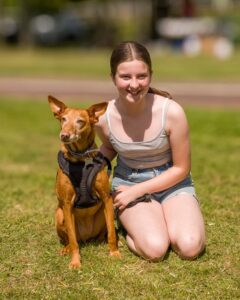



Photographic equipment – Leica M11-P with 35mm Summilux lens.
A pleasure to cover VE Day 80th Anniversary for Witham Town Council.







Equipment – Leica M11-p with 35mm Summilux lens
Giving picture a title is either easy or difficult. This one was easy!

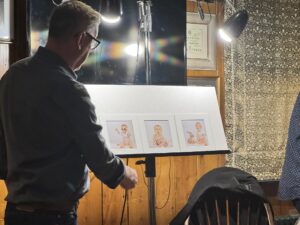
A Honour to be asked to Judge for The London Portrait Group agin this year.
Recently we heard of a Couple being given 3000+ wedding pictures by their photographer several months after the wedding.
To me this is Lazy editing by the photographer. Too many repeat images.
In later years we have given approximately 500-600 for a full coverage and generally within 2 weeks.
Enough said!
As the title says this post describes the basics of Chromatic Aberration for Beginners.
What is Chromatic Aberration?
Chromatic aberration occurs when a lens cannot bring all wavelengths of light to a single converging point.
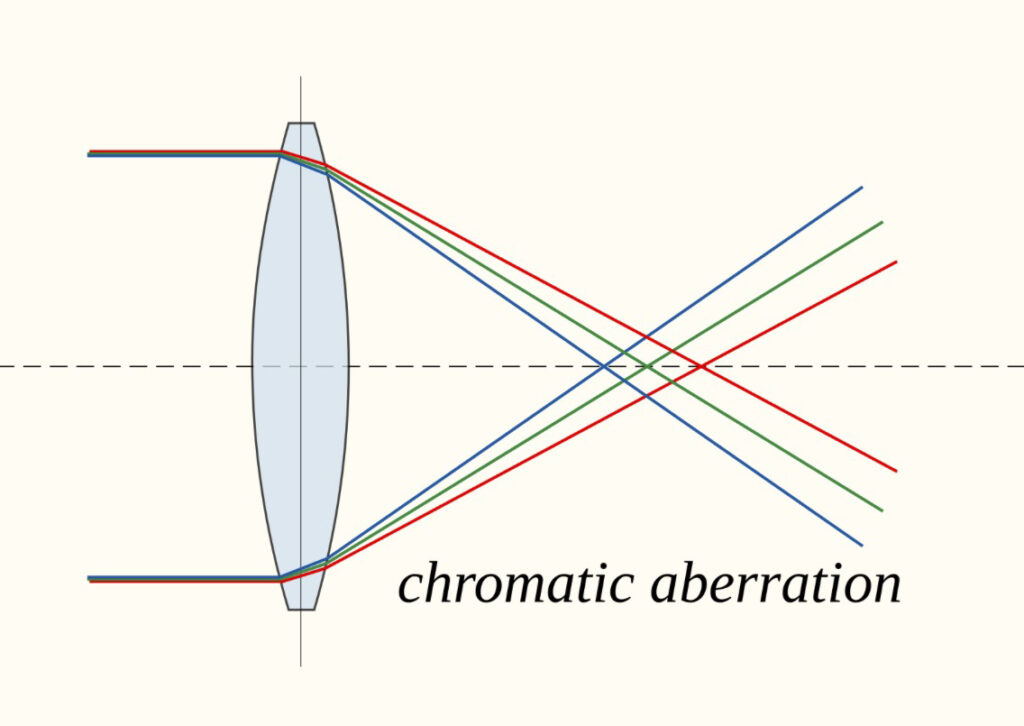
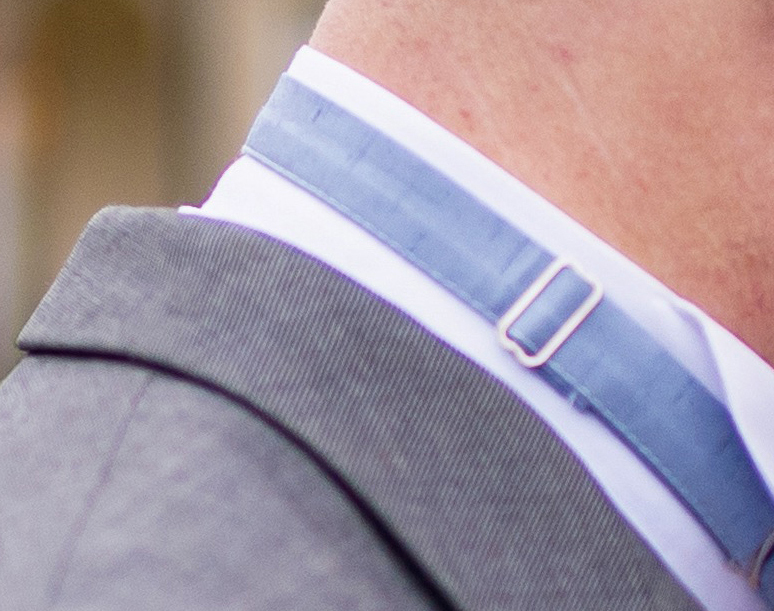
The fringing effect is usually visible as a purple band on high contrast edges. Branches against a bright sky and metallic surfaces are common places but it can occur in other areas as below.
I don’t claim to be an expert in this subject however I know enough to know when it spoils pictures.
Lens designers use different types of glass, different element types and coatings to reduce the effect. However the usual considerations for lens designers come into play; image quality; lower price point; fast aperture; small size, pick any two! OK that over simplifies it but you get the idea that all lenses are a compromise. Even something like a diminutive Leica 35mm APO-Summicron m is a compromise as it is only f2, but costs over £7000!
Fast aperture lenses (popular with many wedding photographers) are very often subject to high levels of c.a. although it can also occur with many other lens types. Older designs often suffer more than modern ones.
Three ways to avoid chromatic aberration:-
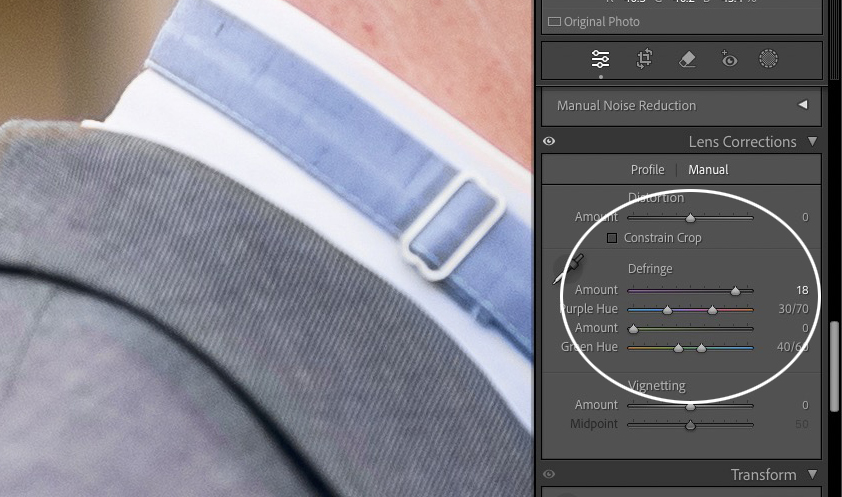
1) Remove chromatic aberration in Lightroom or similar programme
2) Spend vast sums on specialist lenses – not ideal for most.
3) Don’t take pictures with high contrast edges – might prove rather impractical!
Let’s concentrate on Lightroom.
How to remove chromatic aberration
This picture shows the effect of c.a and the purple fringe.
This picture shows just how easy it is to remove!
The Leica M11 as a wedding camera is fantastic. Paired with a 35mm f1.4 Summilux lens, that is pretty much all you need!
The M11 is the first rangefinder with a built in back-up in case of card failure or corruption. Having said that I have only had one card corruption in 1500 weddings, so its only a small risk but a risk never the less. I now feel able to use a rangefinder for a whole wedding.

I long ago realised that around 35mm was my most used focal length at weddings, combined with the ‘crop-ability’ of the M11, it is a perfect set-up. I do also have a 21 Super Elmar for those very wide moments that are sometimes required!
Cropping – there is nothing wrong with cropping! For most weddings a 4000pixel wide image is plenty and will print happily to 30″ wide. Let’s face it most couples will only ever see their pictures on a small device!
The Good Points
Quiet, discreet, built in back up, great battery life, Manual focus, crop-able, compact. Manual focus. Great lenses.
The not so good
Manual focus. Affording two bodies could be challenging for many.
You will see manual focus is listed under good and bad! Some shots and some in very dark conditions may be more suited to A.F. although on the whole I find manual focus is easier.
Hand Grips Many reviewers (who generally use other systems) complain about the lack of a finger grip. With a Leica M there is personal choice, not just what the manufacturer builds in, that may not be suited to you!
The Hand Grip. Holding comfort is a personal thing. I can use the camera on it’s own but the hand grip makes it more comfortable over longer periods. The built in Arca Swiss plate makes it simple when a tripod is required.
The thumb grip is popular with many photographers however I find it tends to project out of the rear and annoy me!
Leather Half Case. Many available with and without finger grips.
Battery life seems adequate, I do have a two spares and don’t chimp too much!
The shutter is very discreet, not at Leica Q levels but still very quiet. Ideal for weddings!
Weight Over the years we have moved from 6×6 medium format, through Nikon Professional and onto Fuji. The Leica is a real breath of fresh air.
Back Up Camera(s) When doing a paid job having a back-up is essential. If a second M body works too expensive, another mirrorless body is often the answer. I find a Fuji X series with a Leica lens adaptor does well.